
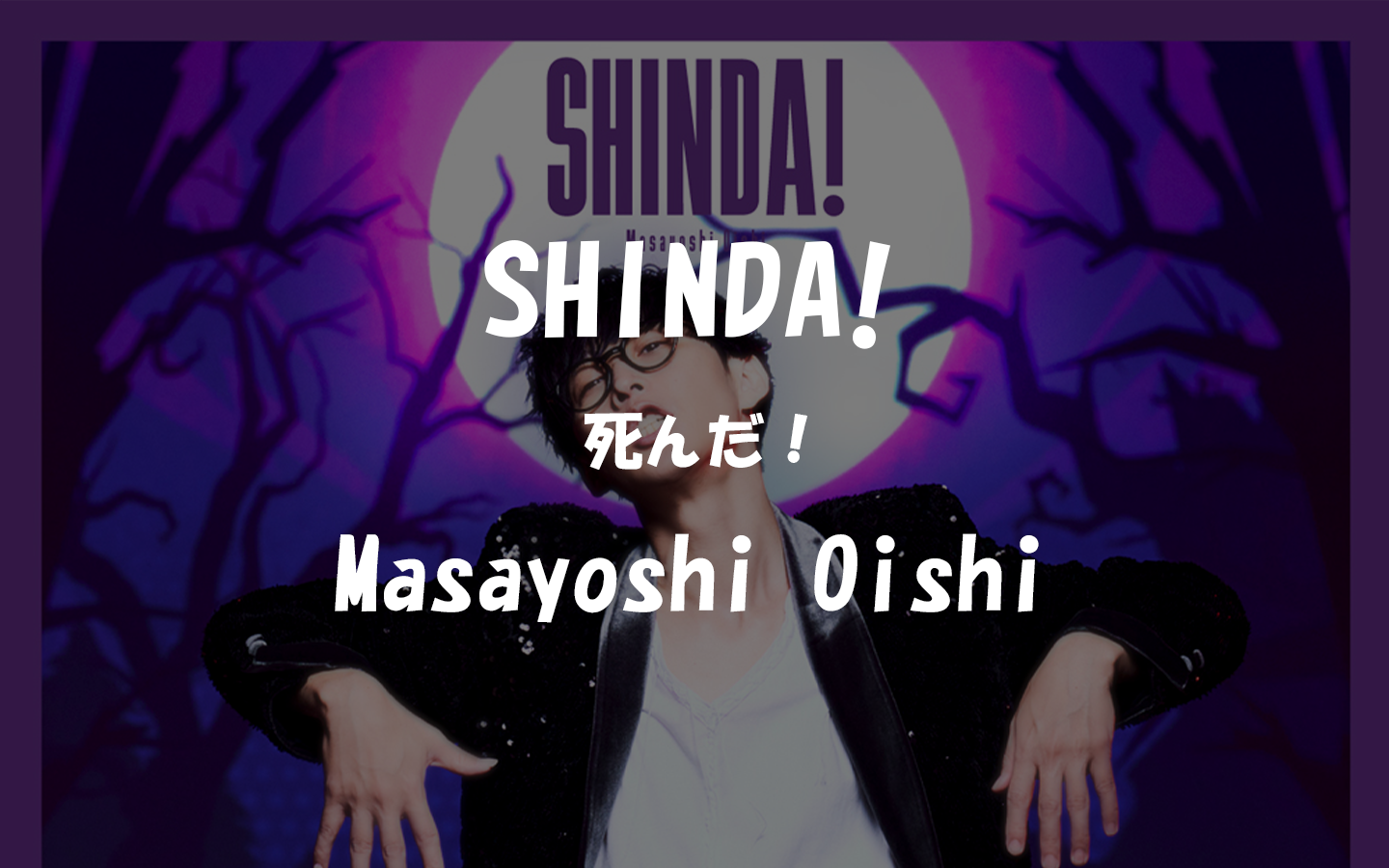
Oishi Masayoshi
Masayoshi Oishi’s Shinda! (死んだ!) is more than just an anime opening—it’s a layered anthem that turns despair into a celebration of life. Released as the opening theme for the anime The Legendary Hero Is Dead! in 2023, the song combines playful irony with profound reflections on death, exhaustion, and resilience.
In this review, we’ll dive deep into the lyrics meaning and analysis of Shinda!, exploring its metaphors, hidden interpretations, and why it resonates so powerfully with listeners.
Song Overview
- Title: 死んだ! (Shinda! / “Dead!”)
- Artist: Masayoshi Oishi
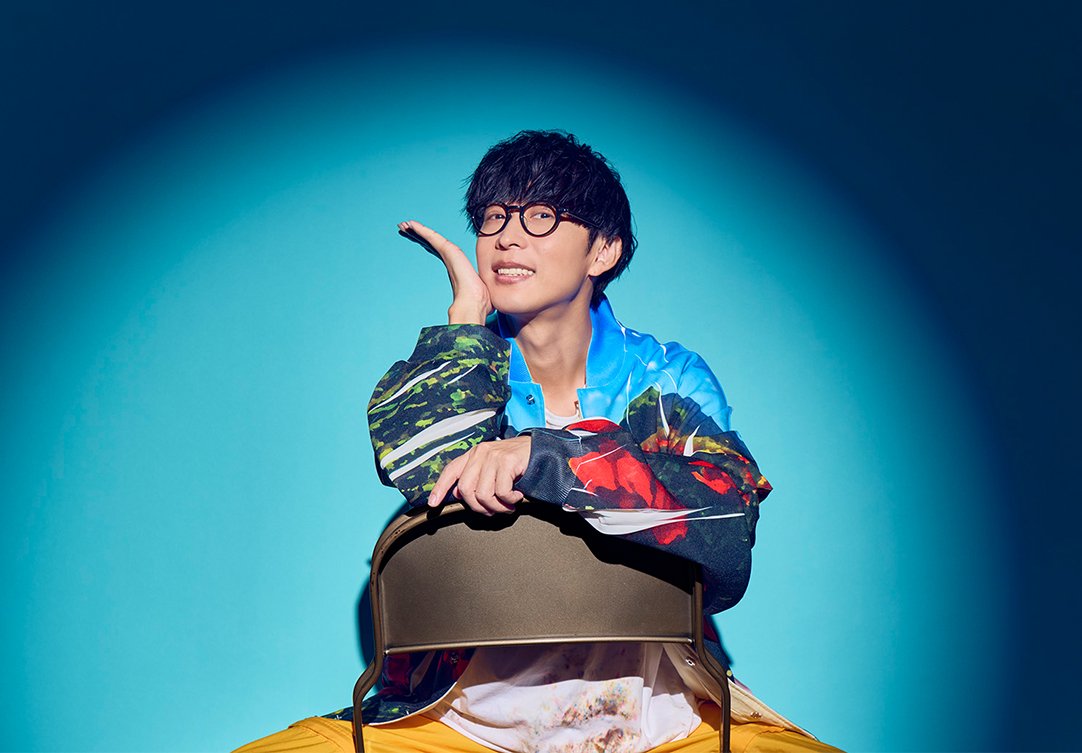
- Release: 2023, opening theme for The Legendary Hero Is Dead!
- Genre: Rock-infused anime song (anisong)
- Key Themes: Death, exhaustion, rebellion, liberation, affirmation of life
Lyrics Breakdown
Verse 1 – Everyday Death
Japanese: 死んだ 死んだ 今日も死んだ
https://j-lyric.net/artist/a05919e/l05c716.html
Romaji: Shinda shinda kyou mo shinda
English: Dead, dead, died again today.
From the first line, the song shocks with repetition. It paints the fatigue of modern life, where each day feels like another small death. Oishi uses irony to capture burnout and emotional numbness.
Chorus – Dance Through Despair
Japanese: やれやれ なかなか生きにくい世界だ / それならそのまま踊り明かせばいい
https://j-lyric.net/artist/a05919e/l05c716.html
Romaji: Yarere nakanaka ikinikui sekai da / Sore nara sono mama odoriakaseba ii
English: Good grief, this world is hard to live in / In that case, we might as well just dance through the night.
Here, despair flips into defiance. Instead of surrendering, the lyrics suggest dancing as resistance—an act of rebellion that transforms pain into vitality.
Verse 2 – “Tsunda”: No Way Out
Japanese: 詰んだ 詰んだ 今日も詰んだ
https://j-lyric.net/artist/a05919e/l05c716.html
Romaji: Tsunda tsunda kyou mo tsunda
English: Stuck, stuck, stuck again today.
Switching from “shinda” (dead) to “tsunda” (stuck, checkmate), Oishi introduces a new metaphor: not only physical exhaustion, but also the mental dead ends of modern life. The repetition emphasizes inescapable pressure.
Bridge – Cutting the Strings
Japanese: 君も一緒にそのマリオネットの糸を切ろうか
https://j-lyric.net/artist/a05919e/l05c716.html
Romaji: Kimi mo issho ni sono marionetto no ito wo kirou ka
English: Won’t you join me and cut the marionette’s strings?
The “necromancer” and “marionette” imagery symbolize invisible forces controlling us—social expectations, norms, capitalism. The bridge calls for liberation: cut the strings, reclaim your life, and express your true self.
Climax – Affirmation of Life
Japanese: 骨になるまでブチ上げましょう
https://j-lyric.net/artist/a05919e/l05c716.html
Romaji: Hone ni naru made buchiagemashou
English: Let’s party hard until we become bones.
The ultimate paradox: even while singing about death, the song ends with a radical affirmation of life. By embracing mortality, Oishi finds freedom—if death is inevitable, why not live and celebrate fully until the end?
Themes & Interpretations
- Death as Metaphor: Not literal death, but emotional exhaustion and burnout in modern society.
- Rebellion & Liberation: Rejecting conformity and invisible control by “cutting the strings.”
- Paradox of Life & Death: Death becomes a lens to affirm joy, echoing the tradition of Danse Macabre reimagined for the present age.
- Personal Resonance: The song also reflects Oishi’s grief for the loss of his close friend and drummer, masshoi, adding emotional depth.
Shinda! and The Legendary Hero Is Dead! – Perfect Synergy Between Song and Story
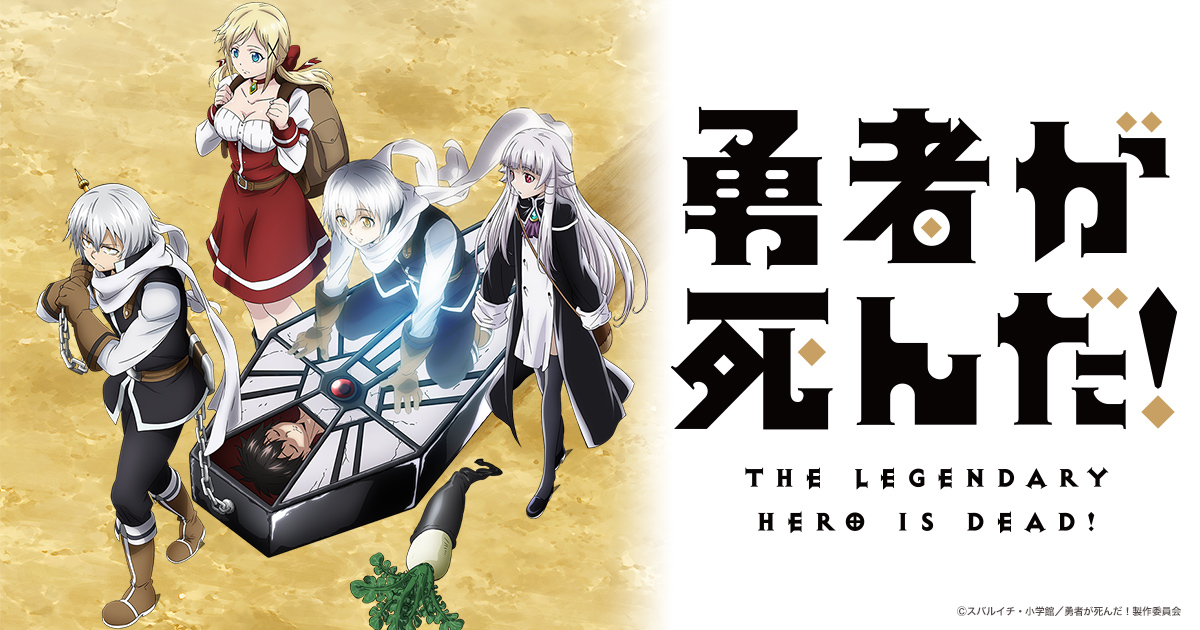

When Masayoshi Oishi wrote Shinda! as the opening theme for the anime The Legendary Hero Is Dead! (Yuusha ga Shinda!), it wasn’t just background music—it became the show’s mirror. The anime tells the absurd story of a villager, Touka Scott, who accidentally kills the legendary hero and is forced to continue the hero’s quest by inhabiting his corpse. It is dark, comical, and satirical—a narrative where death is both tragedy and punchline.
1. The “Living Corpse” Motif
Lyrics: そう 生きてるだけの屍 (Sō ikiteru dake no shikabane / Yes, I am just a living corpse)
https://j-lyric.net/artist/a05919e/l05c716.html
This line captures Touka’s bizarre fate. He literally becomes a “living corpse,” walking in the hero’s dead body. The lyric works both as a metaphor for modern burnout and as a direct description of the anime’s premise.
2. The Necromancer Imagery
Lyrics: 裏で僕らを操る屍術師(ネクロマンサー) (Ura de bokura wo ayatsuru shikabanejutsushi / The necromancer pulling our strings from behind)
https://j-lyric.net/artist/a05919e/l05c716.html
The anime features necromancy as a central plot device, where corpses are manipulated for power. Oishi turns this into a social metaphor—control by invisible forces—but anime fans hear it as a literal nod to the story’s villains. This clever overlap of symbolism and plot creates instant recognition.
3. Rejecting Control, Choosing Rebellion
Lyrics: 君も一緒にそのマリオネットの糸を切ろうか (Won’t you join me and cut the marionette’s strings?)
https://j-lyric.net/artist/a05919e/l05c716.html
In the anime, Touka is constantly manipulated—by circumstances, by magic, by expectations. But like the lyric suggests, he refuses to remain a puppet. The OP becomes an anthem for the characters themselves: break free, even if your body is borrowed, even if the world laughs.
4. Dancing With Death, Laughing at Fate
Lyrics: やれやれ なかなか生きにくい世界だ / それならそのまま踊り明かせばいい
https://j-lyric.net/artist/a05919e/l05c716.html
Just as Touka embraces his absurd role, the song laughs at despair and turns it into dance. Both the anime and the song find humor in death without losing their emotional weight.
5. Why the Synergy Works
Most anime openings either hype the action or capture a single theme. Shinda! does more:
- It echoes the plot (living corpse, necromancy, absurdity).
- It mirrors the tone (dark comedy, tragedy mixed with laughter).
- It expands the message (from story-specific to universal rebellion against despair).
This synergy is why fans felt the OP was “too good” for the anime—because it elevated the story into something philosophical while still being wildly fun.
Connection to Artist’s Life & Works
Oishi’s career bridges humor and seriousness, often writing anime themes that balance energy with deeper meaning. Shinda! reflects a consistent theme in his works: facing despair without giving up. Just as in his earlier songs like Union or Hands, he turns vulnerability into catharsis.
By writing Shinda! after losing a dear friend in 2019, Oishi channels grief into a communal anthem. At live shows, the song becomes a collective ritual: fans laugh, shout, and cry together, transforming despair into shared strength.
FAQ

What does “Shinda!” mean?

Literally “Dead!”, but in this song it symbolizes exhaustion, emotional numbness, and the absurdity of modern life.
Is Shinda! just about despair?
No. While it starts with images of death and stuckness, it transforms into a call to celebrate life and dance through suffering.
How does the anime connect to the lyrics?
The story of The Legendary Hero Is Dead! revolves around corpses, necromancy, and absurd fate—perfectly echoed in the song’s imagery of “living corpses” and “marionette strings.”
What’s the message behind the lyrics?
To reject invisible control, embrace imperfection, and live loudly—because even if death is inevitable, joy is still possible.
Conclusion
Masayoshi Oishi’s Shinda! is a paradoxical masterpiece: a song about death that celebrates life. With its sharp metaphors, rebellious energy, and perfect synergy with the anime it represents, it transforms despair into a revolutionary anthem.
👉 What about you—do you hear Shinda! as a song of despair, or as a defiant celebration of being alive? Share your thoughts in the comments.
Comments