
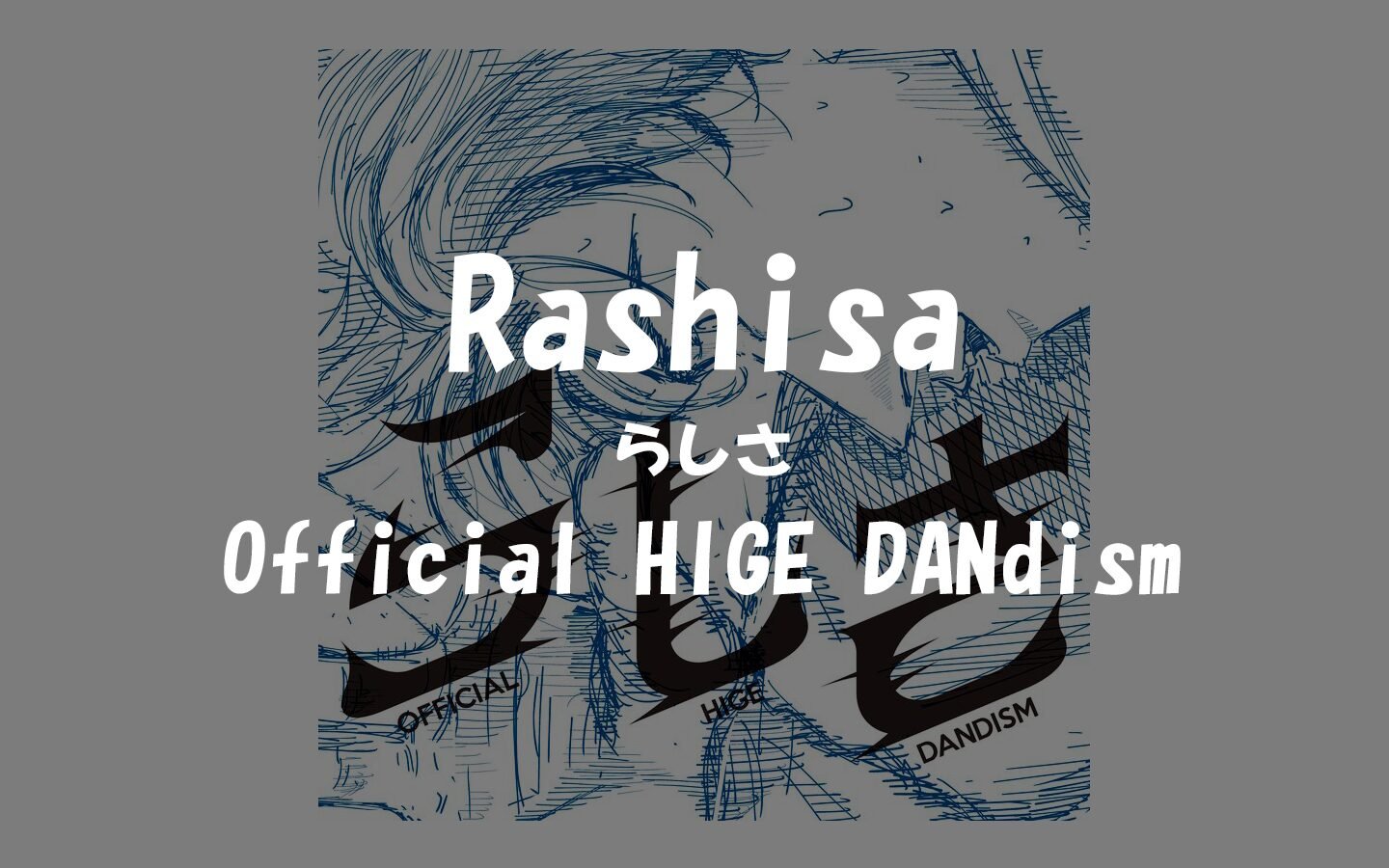
Released digitally on August 6, 2025, Rashisa (らしさ) marks Official HIGE DAN dism’s powerful return after an eight-month gap. Written and composed by vocalist Satoshi Fujiwara, with the entire band arranging, the song showcases both lyrical depth and the band’s technical “sound identity.”
More than just a catchy anthem, Rashisa serves as the theme song for the anime film Hyakuemu (100m.), based on Uoto’s debut manga. In this article, we’ll explore the lyrics meaning and analysis, focusing on how the track embodies the paradox of competition, anxiety, and self-acceptance.
Song Overview
- Title: らしさ (Rashisa / “Authenticity”)
- Artist: Official HIGE DAN dism
- Release Date: August 6, 2025 (digital single)
- Tie-in: Theme song for the anime film Hyakuemu (100m.)
- Songwriter/Composer: Satoshi Fujihara
- Arrangement: Official HIGE DAN dism
- Genre: Up-tempo J-pop / Rock with 8-beat drive
- Theme: Competition, self-denial, paradoxical self-acceptance
Lyrics Breakdown
Intro / Opening Lines
Japanese: 焦るよいつも足音の群衆が僕の努力を引き裂いて
https://j-lyric.net/artist/a059eab/l065735.html
Romaji: Aseru yo itsumo ashioto no gunshū ga boku no doryoku o hikisaitaite
English: I’m panicked, as the footsteps of the crowd tear apart my efforts.
From the first line, the song plunges into conflict. The “crowd’s footsteps” represent external pressure—society’s comparisons that threaten to nullify individual effort.
Verse 1 Analysis
Japanese: 何度君という闇の世話になったろう
https://j-lyric.net/artist/a059eab/l065735.html
Romaji: Nando kimi to iu yami no sewa ni nattarou
English: How many times have I relied on the darkness that is you?
Here, “you” personifies inner darkness—self-doubt and failure. Rather than rejecting it, the narrator admits dependency on this negativity, even drawing strength from it.
Pre-Chorus / Transition
Japanese: 今の僕はもう限界だ 君の言いなりになってたまるか
https://j-lyric.net/artist/a059eab/l065735.html
Romaji: Ima no boku wa mō genkai da, kimi no iinari ni natte tamaru ka
English: I’m at my limit—there’s no way I’ll keep obeying you.
The pre-chorus signals a turning point: the persona refuses to be ruled by self-denial any longer.
Chorus Analysis
Japanese: 僕はやっぱ。誰にも負けたくないんだ。
https://j-lyric.net/artist/a059eab/l065735.html
Romaji: Boku wa yappa. Dare ni mo maketakunai nda.
English: In the end, I just don’t want to lose to anyone.
This core declaration is paradoxical. The heat of competition is both destructive and life-affirming. The chorus frames rashisa not as static individuality, but as the process of embracing contradictions—crying, laughing, competing, and dedicating oneself to what one loves.
Verse 2 Analysis
Lyrics repeat the themes of pressure and darkness, but with growing resilience. The persona begins to reclaim energy, transforming anxiety into fuel for persistence.
Bridge Analysis
Japanese: 喜び悲しみ不安全部君と僕のだよ
https://j-lyric.net/artist/a059eab/l065735.html
Romaji: Yorokobi kanashimi fuan zenbu kimi to boku no da yo
English: Joy, sorrow, anxiety—they all belong to you and me.
The bridge integrates conflicting emotions. By uniting darkness with joy, the song suggests true “authenticity” lies in coexistence, not suppression.
Climax / Final Chorus
Japanese: 本当に良かった愛 生きてよかったなあ
https://j-lyric.net/artist/a059eab/l065735.html
Romaji: Hontō ni yokatta ai, ikite yokatta nā
English: I’m truly glad for love—I’m glad I lived.
The song ends in catharsis, affirming life not as victory but as the process of struggle. The repeated cycles of crying, laughing, and competing resolve into gratitude for existence itself.
Themes & Interpretations
- The Paradox of Rashisa: Authenticity is not fixed individuality but an evolving process of contradictions—competition, anxiety, joy, and sorrow together.
- Competition as Fuel: “I don’t want to lose” becomes both burden and driving force.
- Critique of Superficial Self-Acceptance: Lines like “I’m tired of pretending individuality is enough” highlight the emptiness of shallow positivity.
- Universal Struggle: The lyrics resonate with athletes in Hyakuemu but also mirror the band’s own pressure to remain exceptional.
Connection to Artist’s Life / Previous Works
Official HIGE DAN dism often wrestle with ambition, doubt, and passion in their lyrics. Rashisa intensifies this motif, reflecting both the band’s own artistic pressures and broader societal anxieties.
Musically, the song showcases their hallmark sophistication:
- Intro: rising 5th harmonies for urgency
- Chorus: descending half-step bassline for emotional weight
- Climax: dramatic modulation amplifying catharsis
These structures mirror the lyrical duality of racing forward while bearing inner heaviness.
Connection to Anime Hyakuemu
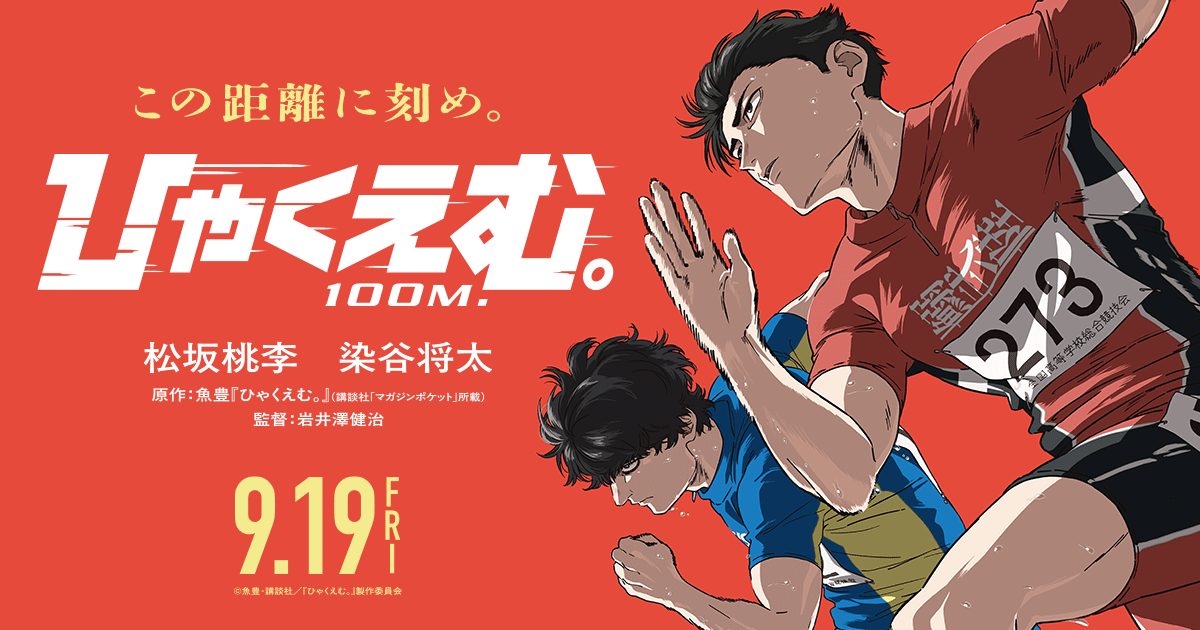

The anime centers on the 100-meter dash, where a few seconds of brilliance embody years of hidden training and pressure. Rashisa parallels this perfectly: an anthem of both outward sprint and inward struggle.
Rather than a shallow cheer song, it captures the quiet, painful battle with oneself, resonating not just with athletes but with anyone facing the burden of expectation.
FAQ – Behind the Lyrics of Rashisa

What does “Rashisa” mean?

Literally “authenticity” or “being oneself.” Here, it represents embracing contradictions rather than simple individuality.
Is this just an anime tie-in song?
No. While tied to Hyakuemu, the track reflects universal struggles with self-doubt, competition, and perseverance.
Why does the chorus emphasize “I don’t want to lose”?
Because competition, though painful, fuels passion. Authenticity means not erasing this drive but accepting it as part of oneself.
Conclusion
Official HIGE DAN dism’s Rashisa is more than a theme song—it is a manifesto of contradictions. By refusing easy positivity, it defines authenticity as coexistence with both darkness and drive.
With its technical brilliance and lyrical depth, Rashisa reaffirms why HIGE DAN remain one of the most important voices in modern J-pop.
👉 What about you—do you see “authenticity” as rejecting competition, or as embracing it? Share your thoughts below.


Comments