
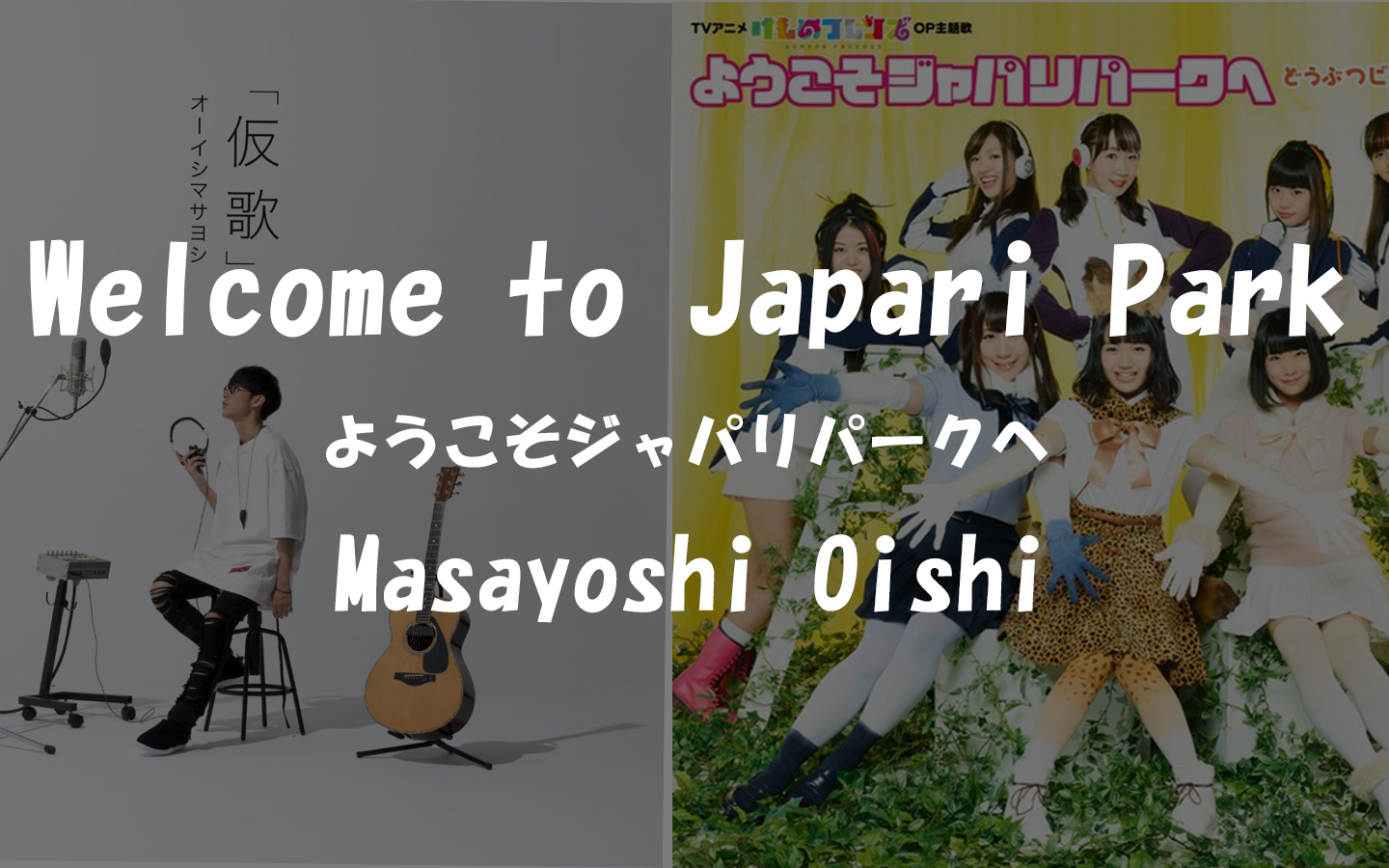
Imagine an ordinary morning in 2017. A new anime called Kemono Friends begins airing, not with much expectation. But the moment its opening song bursts out—“Welcome to ようこそジャパリパーク!”—everything changes.
Written and composed by Oishi Masayoshi, Welcome to Japari Park quickly grew beyond the world of anime. It wasn’t just an opening theme; it became a social wave, a viral anthem, and an invitation into a world where “friends” of all kinds belong.
- The Opening Shout: Joy with a Hint of Shadow
- The Sound of the Savannah
- TThe Lyrics: A World of Noise and Joy
- The Lyrics: Forgiveness in Chaos
- The Lyrics: Meeting and Belonging
- The Lyrics: A Global Roar
- From Anime Theme to Social Anthem
- Q&A: Welcome to Japari Park Explained
- Conclusion: More Than Just an OP Song
The Opening Shout: Joy with a Hint of Shadow
The first chord progression sounds familiar, almost like Japan’s greatest hits (TSUNAMI, Linda Linda). It’s catchy, instantly recognizable. But hidden inside the brightness is a minor shadow—an A7 chord that slips into something bittersweet.
This duality is the heart of the song: pure fun on the surface, deeper meaning beneath. Just like Japari Park itself—chaotic, colorful, yet shadowed by hints of loss and mystery.
The Sound of the Savannah
When director Tatsuki asked Oishi for more “savannah feel,” the arrangement team went bold. They added cuíca, an African percussion instrument that sounds like an animal’s cry. Horn sections, samba whistles, and layered choruses turned the track into a sonic safari.
Every detail—the overlapping voices, the shouts of “1, 2, 3!”—pulled listeners straight into the park. It wasn’t just background music. It was a gate.
TThe Lyrics: A World of Noise and Joy
Welcome to ようこそジャパリパーク! 今日もドッタンバッタン大騒
https://j-lyric.net/artist/a05c47f/l03e218.html
Romaji:
Welcome to youkoso Japari Pāku! Kyou mo dottan battan oosawagi
English:
Welcome to Japari Park! Another day of noisy, boisterous fun.
This opening line is more than a greeting—it’s a shout that sets the tone. The onomatopoeia “dottan battan” makes the chaos feel alive, telling us right away: this isn’t a quiet paradise, it’s a park full of sound, laughter, and adventure.
The Lyrics: Forgiveness in Chaos
振り向けば あちらこちらでトラブル なんてこった てんでんバラバラ…
https://j-lyric.net/artist/a05c47f/l03e218.html
けものですもの 大目に見ててね
Romaji:
Furimukeba achira kochira de toraburu nante kotta tenden barabara…
Kemono desu mono oome ni mitete ne
English:
Turn around—troubles everywhere, what a mess, totally scattered…
But hey, we’re animals, so please forgive us.
This section embraces imperfection. Problems are constant, chaos is normal, but instead of fear or judgment, the lyrics invite acceptance. It’s a playful philosophy: mistakes are not failures—they’re part of being alive together.
The Lyrics: Meeting and Belonging
夕暮れ空に 指をそっと重ねたら
https://j-lyric.net/artist/a05c47f/l03e218.html
はじめまして 君をもっと知りたいな
Romaji:
Yuugure sora ni yubi wo sotto kasanetara
Hajimemashite kimi wo motto shiritai na
English:
When our fingers softly touch under the evening sky,
Nice to meet you—I want to know you more.
Beneath the loud chaos, there are intimate moments. This line shifts from playfulness to tenderness, showing that Japari Park is not just noise, but also a place where bonds begin—where one friend looks at another and chooses to connect.
The Lyrics: A Global Roar
東へ吠えろ 西へ吠えろ
https://j-lyric.net/artist/a05c47f/l03e218.html
世界中に響け サファリメロディ
Romaji:
Higashi e hoero nishi e hoero
Sekaijuu ni hibike safari merodii
English:
Howl to the east, howl to the west,
Let the safari melody echo across the world!
From a small anime theme, the song suddenly expands into a global anthem. The image of howling in all directions transforms the “friends” into a choir, carrying their joy beyond Japari Park to the entire world. It’s playful, but it also feels prophetic: a simple song shouting unity to the planet.
From Anime Theme to Social Anthem
Famous artists took notice. Hirai Ken called it “a song where every section feels like the chorus.” Hoshino Gen admitted he listened to it “sixty times in one day.” Social media exploded with quotes like “わーい、楽しい!” and endless “friend” memes.
Soon, Welcome to Japari Park ranked alongside hit anime films like Your Name on download charts, and at Oishi’s concerts, it became a full-audience sing-along. The song that began as a quirky anime theme had become a cultural anthem.
Q&A: Welcome to Japari Park Explained

What does “Welcome to Japari Park” mean?

It’s more than a greeting. It’s an invitation to a world where everyone—no matter how different—is welcome.
Why does the song sound both fun and emotional?
Beneath its bright chords are subtle minor tones. This balance reflects both the joyful chaos of Japari Park and the deeper mysteries of the Kemono Friends world.
What makes the song musically unique?
It blends pop’s “royal road” chord progressions with unexpected key changes, African percussion, samba whistles, and overlapping voices, creating a playful yet layered soundscape.
Why did it become a social phenomenon?
The lyrics’ message of inclusion, the infectious energy, celebrity praise, and viral memes combined to lift it from anime opening to cultural anthem.
Conclusion: More Than Just an OP Song
Oishi Masayoshi’s Welcome to Japari Park is not just an anime opening—it’s a complex musical work, a social invitation, and a cultural event. By mixing joy with subtle shadows, playful sound with deeper meaning, it shows how a song can redefine an anime, a community, and even a cultural moment.
👉 Put on the track, shout “うー!がぉー!”, and remember: in Japari Park, there may be beasts, but there are no outsiders.

Comments